Solar Panels Vs Solar Batteries In Townsville: Do You Need Both?
Townsville sits in one of the highest solar irradiance zones in Australia. With an average of around 320 sunny days per year and peak sun hours consistently above the national average, the case for solar panels Townsville homeowners and business owners are installing has never been stronger. What is harder — and what most people are actually grappling with when they start researching — is whether panels alone are enough, or whether solar batteries Townsville installers are increasingly recommending are worth adding from the outset.
It is a financially significant decision either way. Panels deliver immediate and measurable bill reductions. Batteries add a layer of energy independence and after-hours coverage that panels alone cannot provide. Understanding what each component actually delivers, and what the local energy market context means for your specific situation, is the starting point for making a well-informed call.
What Solar Panels Deliver on Their Own
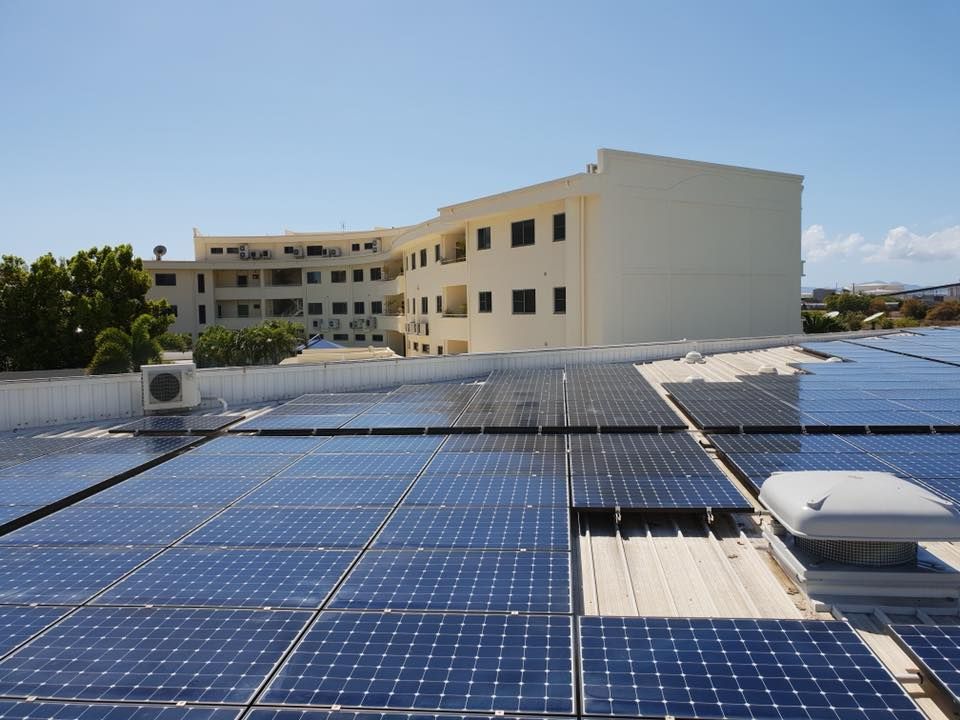
A solar panel system generates electricity from sunlight during the day and feeds that energy directly into your home or business. Any power generated that is not immediately consumed is exported to the grid, and in Queensland you receive a feed-in tariff credit against your next bill. For most properties, panels alone deliver a meaningful reduction in electricity costs. The extent of that reduction depends on how well your daytime usage aligns with your generation window — roughly 9am to 4pm on a clear day in North Queensland. Households and businesses that consume most of their electricity during daylight hours will capture the maximum benefit from a panels-only system.
Key financial mechanisms for panels in Queensland:
- Small-scale Technology Certificates (STCs) reduce your upfront installation cost. The number of STCs your system earns is based on system size and location — and Townsville's high sun hours push that number up compared to southern states
- Feed-in tariffs provide a credit for exported power. Ergon Energy's current feed-in tariff rate is modest, which means the financial case for self-consumption has strengthened — using the power you generate is more valuable than exporting it
- Demand offset is the most direct saving: every kilowatt-hour you generate and use immediately displaces a unit of grid power you would have paid full retail price for
For residential customers, a well-sized system can eliminate a significant portion of the daytime energy draw, particularly in households that run air conditioning, pool pumps or appliances during the day. For small business owners with daytime operating hours, panels can offset a substantial share of operating energy costs across the week.
What a Battery Adds to the Picture
A solar battery stores the excess energy your panels generate during the day — energy that would otherwise be exported to the grid at the feed-in tariff rate — and makes it available for use after the sun goes down. This is where the financial equation shifts considerably. Instead of exporting surplus daytime generation at the feed-in tariff rate and then buying back grid power in the evening at full retail price, a battery allows you to use your own generated power through the night. In the current Ergon tariff environment, where the difference between what you get for exported power and what you pay for imported power is significant, this arbitrage is where batteries deliver their clearest financial return.
Additional value a battery provides:
- Storm and outage backup — Townsville's wet season brings cyclone activity and storm-related outages. A battery-backed solar system can maintain power to critical circuits during a grid outage, depending on the system configuration
- Peak tariff avoidance — if your property is on a time-of-use tariff, batteries can be configured to discharge during peak pricing windows, reducing your exposure to the highest per-unit rates
- Energy independence — a battery-plus-panels combination increases the proportion of your total energy consumption that comes from your own system, reducing your dependence on grid supply across the full 24-hour cycle
- Export management — as grid export limitations become more common in Queensland, storing excess generation rather than exporting it at a low rate or being curtailed entirely becomes increasingly practical
Solar Panels for Townsville Homeowners: The Residential Calculation
For residential properties, the financial case for solar panels in Townsville starts with understanding how your household uses electricity through the day. A family where adults are at work and children at school during the day will export a large share of their solar generation and see a smaller direct offset than a household with someone home during daylight hours.
Typical residential system sizes in Townsville range from 6.6kW to 13.2kW depending on roof space, budget and consumption profile. A 6.6kW system in Townsville's sun conditions will generate approximately 28 to 32 kilowatt-hours per day on average, though summer generation is higher and the wet season cloud cover will reduce output in some months.
Whether a battery makes sense for a Townsville home depends largely on when the household uses electricity:
- High daytime use — households running air conditioning, working from home or with stay-at-home parents and young children will capture more of their generation directly, reducing the case for a battery in the short term
- High evening use — households with peak consumption in the evening, particularly those running air conditioning overnight through summer, benefit most directly from battery storage
- Outage resilience — for households in areas prone to storm-related outages, the backup function of a battery may be a priority independent of the pure financial calculation
A battery does not have to be added at the time of initial installation. Many homeowners install a battery-ready system from the outset and add storage when the economics are right for their budget, or when they want to increase their energy independence.
Solar Batteries for Townsville Homeowners: When the Numbers Work
The financial case for adding solar batteries in Townsville to a residential system is strongest when the gap between what you pay for imported power and what you receive for exported power is widest — which, under current Ergon tariffs, is substantial. A quality battery system in the 10 to 13.5kWh range — such as a BYD or Sungrow unit — will cover the average evening load for many Townsville households without drawing from the grid. Over a day-night cycle where the battery is charged from excess solar and discharged through the evening, the savings are the difference between retail grid tariff and zero, for every kilowatt-hour the battery handles.
The payback period for a battery varies depending on system size, household consumption and tariff structure, but in the current energy pricing environment it has shortened considerably compared to five years ago. As electricity prices continue to rise and battery costs continue to fall, the economics are moving in a consistently favourable direction.
Solar Panels for Small Businesses: The Commercial Case
Small business owners face a different financial environment to residential customers. Commercial electricity tariffs in Queensland — particularly on Ergon's small business rates — are generally higher per unit than residential rates, which means the value of each kilowatt-hour offset by solar is correspondingly greater. Businesses with daytime operating hours are particularly well positioned for solar. A café, retail premises, trade business or professional services office running Monday to Friday during peak generation hours can use a very high proportion of their generated power directly, maximising the offset value against the commercial tariff rate.
For business owners evaluating their options, the key considerations include:
- System sizing — a commercial system should be sized to match daytime consumption as closely as possible without over-generating into export, particularly given the lower feed-in tariff rate
- Demand charges — some commercial tariffs include a demand component based on peak usage. Batteries can be configured to reduce peak demand by discharging during high-consumption windows, potentially reducing this element of the bill
- Depreciation and tax treatment — solar systems are a depreciable business asset, and the instant asset write-off provisions have in recent years allowed businesses to claim the full system cost in the year of installation. This materially improves the after-tax return. Speak with your accountant about current provisions
Central Solar Services' commercial solar page covers the options available for business premises across North Queensland, from small single-phase systems to larger three-phase commercial installations.
Solar Batteries for Small Businesses: Does the Case Stack Up?
For small businesses, the battery question is more nuanced than for residential customers. Businesses that operate primarily during the day and are closed in the evenings have less natural use for overnight battery storage — their generation and consumption windows align well without storage.
Where batteries add clear value for small businesses:
- Evening or extended-hours trading — hospitality, retail and service businesses that trade into the evening can use battery storage to power that trading window from stored solar rather than grid supply
- Demand charge reduction — if the commercial tariff includes demand charges, a battery configured to smooth peak demand can reduce this component of the bill meaningfully
- Backup power for operations — businesses where a power outage causes direct financial loss — refrigerated stock, continuous manufacturing, data systems — benefit from the backup function of a battery-backed system
- Energy security — for businesses in areas where grid reliability is a concern during the wet season, storage provides operational continuity independent of the grid
The business case for batteries is most compelling when there is a clear use case beyond pure overnight storage. For businesses with straightforward daytime-only operations, panels alone often deliver the strongest return in the short term, with batteries as a future addition when the operating profile or tariff structure changes.
FAQs: Solar Panels and Batteries in Townsville
Is solar worth it for a home or small business in Townsville?
For most homes and businesses in Townsville, yes — and often substantially so. Townsville's high sun hours produce more energy per kilowatt of installed capacity than most of Australia, which means a given system size generates more savings here than it would in Sydney or Melbourne. Combined with Queensland's electricity tariff environment, the financial return on a well-sized system is strong.
Do I need a battery with solar panels?
Not necessarily from day one. Panels deliver savings immediately regardless of whether a battery is present. A battery enhances those savings by capturing generation that would otherwise be exported at a low rate, and adds the backup and energy independence benefits discussed above. Whether it makes financial sense depends on your consumption profile, budget and priorities.
What size system does a Townsville home or business need?
For residential properties, 6.6kW to 13.2kW covers most household consumption profiles. For small businesses, the right size depends heavily on daytime operating hours and total consumption — an energy audit is the most reliable way to size a system correctly. Central Solar Services provides onsite consultations and quotes that account for your specific roof, usage and goals before recommending a system.
At Central Solar Services, we work with homeowners and small business owners across Townsville and North Queensland to find the right solar solution for each specific situation. Whether you are considering panels only, panels plus battery, or want to understand what makes sense for your property before committing, our team provides straightforward advice based on your actual energy needs and the local tariff environment. Call us on 0455 508 418 or contact us to book a free onsite consultation and quote.