Best Time of Year to Add a Solar Battery to Your Solar System
For many Townsville households, solar has already reduced daytime grid use, but the financial picture has changed since older systems were installed. Ergon Energy remains the dominant retailer across regional Queensland, while the Queensland Competition Authority set the regional feed-in tariff at 6.006 cents per kilowatt hour from 1 July 2026, down 31% from the previous year. That means exporting excess solar may deliver less value than using that electricity yourself. For homeowners considering solar batteries in Townsville, the right timing depends on electricity use, system compatibility, available incentives and whether backup power matters before the wet season.
Why Townsville Solar Owners Are Rethinking Their Systems
A solar system installed several years ago may still produce plenty of electricity, but the way that electricity delivers value can change. Lower feed-in tariffs mean households may receive relatively little for surplus daytime power compared with the cost of buying electricity back from the grid later. A battery can store some of that excess generation for evening use, potentially increasing self-consumption without replacing a functioning solar array.
Homeowners reviewing an existing system should consider:
- How much solar electricity is exported during the day.
- How much grid electricity is purchased after sunset.
- Whether household consumption has increased since the original system was installed.
The more surplus solar you regularly export and evening electricity you consume, the more worthwhile a battery assessment may become.
Is There a Best Time of Year to Add a Solar Battery in Townsville?
There is no single month that is financially ideal for every household, but timing can still influence the decision. Installing before the wet season may appeal to households interested in backup capability during storms, provided the chosen battery and installation include suitable backup functions. Acting during periods of strong solar generation can also make it easier to see how much surplus energy is available for storage rather than export.
Seasonal timing is worth considering alongside these practical factors:
- Allow enough time to assess compatibility before storm season.
- Review recent solar production and electricity consumption before choosing capacity.
- Consider current incentives rather than relying only on the time of year.
The best installation date is ultimately the point when the system design, household usage and financial case all make sense.
Three Reasons Townsville Homeowners Are Adding Battery Storage
Battery storage is increasingly being considered by households that already have rooftop solar but still purchase substantial electricity from the grid. One reason is the reduced value of exported solar as feed-in tariffs fall. Another is that evening consumption can remain expensive even when panels produce plenty during daylight hours. Energy security can also matter for households wanting selected circuits to operate when grid power is unavailable.
The main motivations for adding solar batteries in Townsville often include:
- Using more self-generated electricity instead of exporting it.
- Reducing reliance on grid electricity after solar production falls.
- Creating backup capability for selected loads where the system supports it.
A battery should therefore be sized around actual energy patterns rather than chosen simply because a larger capacity appears more attractive.
Can Your Existing Solar System Support a Battery?
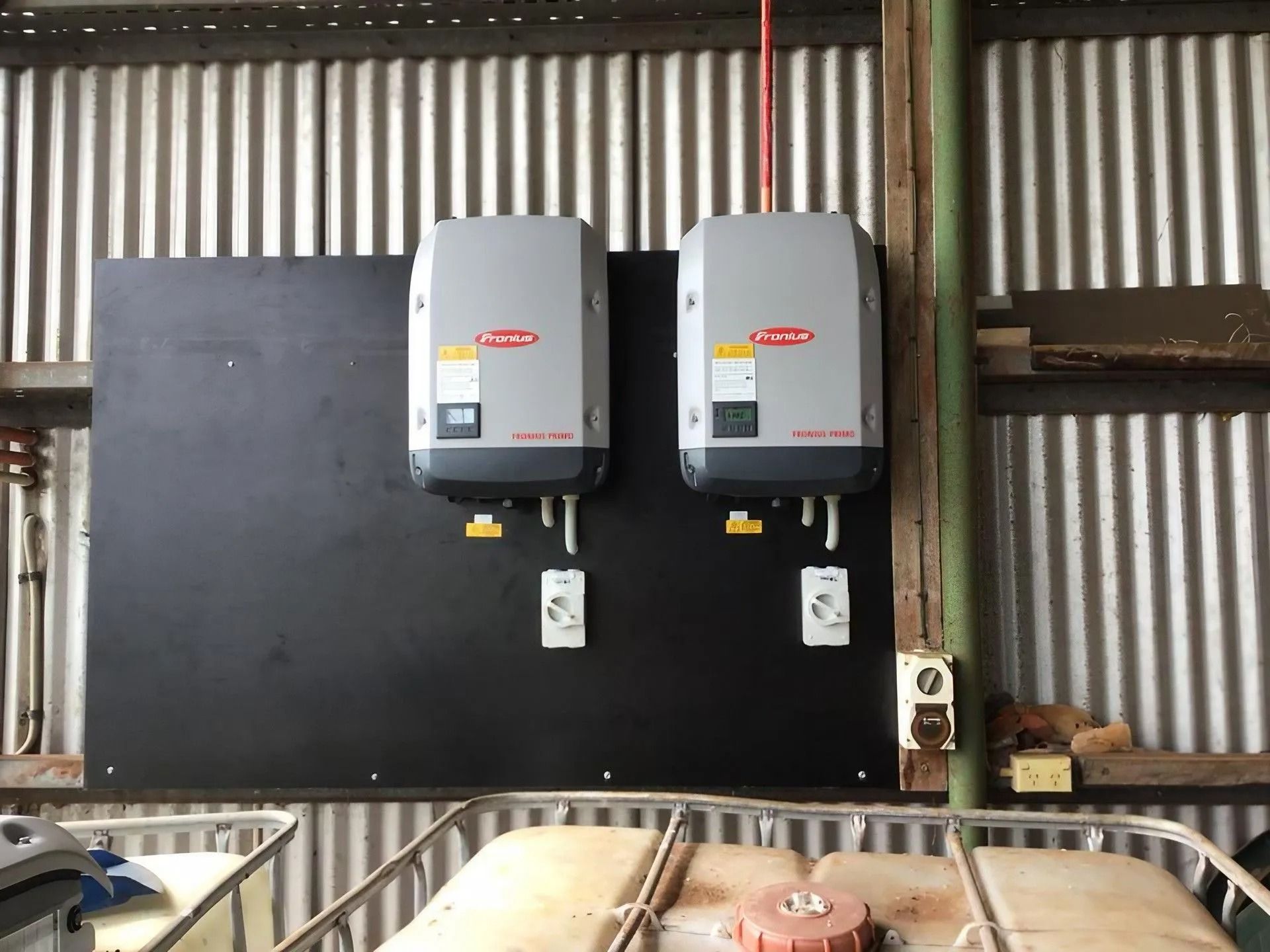
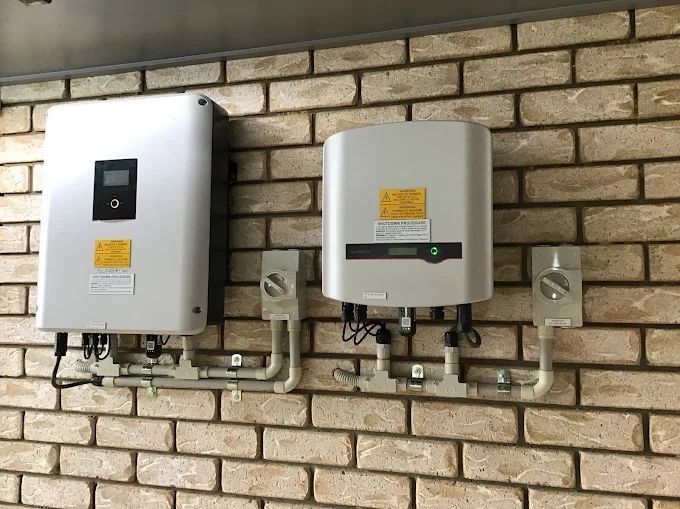
Many existing solar systems can be retrofitted with battery storage, but the design depends on the inverter and electrical configuration already installed. A hybrid inverter may support compatible battery storage directly, while a conventional string inverter can sometimes remain in place with an AC-coupled battery system. Homes with microinverters may also have suitable storage options, depending on the equipment and battery architecture selected.
Before planning solar batteries installation in Townsville, an installer should check:
- The inverter type, age, capacity and manufacturer compatibility.
- Available switchboard space and the condition of existing electrical equipment.
- Whether backup circuits or additional hardware will be required.
A compatibility assessment can establish whether existing components can stay or whether changes are needed to integrate storage safely and effectively.
Popular Solar Battery Brands for Townsville Homes
There is no universal battery that suits every home, so brand selection should follow the required storage capacity, inverter compatibility, available installation space and backup expectations. Common Australian options include Tesla Powerwall, BYD modular battery systems, Sungrow SBR batteries and Enphase IQ batteries. Each uses a different system architecture, which means the most appropriate choice often depends on the solar equipment already installed.
Useful comparison points include:
- Usable storage capacity and options for future expansion.
- Compatibility with the existing solar and inverter configuration.
- Backup functionality, warranty conditions and operating temperature requirements.
For households interested in using a solar battery during a Townsville power outage, confirming exactly which circuits can operate during an outage is particularly important before choosing equipment.
Solar Battery Installation Costs & Payback in Townsville
Battery prices vary significantly by capacity, brand, installation complexity and whether an existing inverter can be retained. As a current Australian guide, CHOICE reported in August 2026 that a 10 kWh battery typically costs around $7,000 to $11,000 installed after the federal incentive, while a 15 kWh system is around $11,000 to $15,000. The Australian Government's Cheaper Home Batteries Program currently provides an upfront discount of around 30% on eligible systems, although support reduces over time.
When assessing the solar battery installation cost in Townsville, payback should account for:
- Installation price after applicable incentives.
- Annual solar exports available for battery charging.
- Night-time grid consumption and the electricity tariff being avoided.
There is no responsible single payback period for every Townsville home, so modelling at least 12 months of real consumption and export data provides a much more useful estimate than a generic calculator.
Book a Free Battery Compatibility Assessment
Adding storage does not have to begin with choosing a battery brand or committing to an installation. A better first step is understanding how the existing solar system performs, how much electricity is exported and whether current equipment can support a suitable battery. This allows the financial case to be assessed before decisions are made, while also clarifying whether backup functionality is practical.
We at Central Solar Services can assess your existing system and help determine whether solar batteries in Townsville are compatible with your current setup and energy needs. Book a free, no-obligation battery compatibility assessment to review your inverter, solar production, electricity usage and storage options before deciding whether a battery is the right next step.
Frequently Asked Questions
Can a battery be added to an older solar system?
Yes, many existing solar systems can be retrofitted with a battery. The right approach depends on the inverter, system age, switchboard configuration and available solar capacity. A compatibility assessment can determine whether your existing inverter can remain or whether additional equipment is required to integrate battery storage correctly.
Which battery is best for a Townsville home?
There is no single battery that suits every Townsville household. Tesla Powerwall, BYD, Sungrow SBR and Enphase IQ are established options, but suitability depends on capacity requirements, existing equipment, backup expectations and installation conditions. Comparing usable capacity, warranty terms, compatibility and expansion options provides a more useful basis for selection.
How long does a solar battery installation take?
Installation time depends on the battery, switchboard condition, existing inverter and whether backup circuits or electrical upgrades are required. A straightforward retrofit may be completed relatively quickly, while more complicated systems can require additional work. A pre-installation assessment allows the installer to identify requirements before scheduling the installation.