How Long Does It Take To Install Solar Batteries In Townsville?
Adding battery storage is often less about a single “install day” and more about a short sequence of steps that includes planning, paperwork and commissioning. If you’re considering solar batteries in Townsville, knowing the typical timeline can help you plan around work, tenants, site access and energy needs without guessing how long you’ll be without normal power use.
While every property is different, most installs follow a similar path: an initial consult and site check, a design stage, approvals, an installation day, then testing and final commissioning. The sections below break down what each stage usually involves and where time can expand or shrink depending on your setup.
What “Installation Time” Really Includes
When people ask how long it takes, they often picture a technician arriving and fitting a battery in a few hours. That can be part of it, but “installation time” usually includes the full process from first contact through to the system being tested and operating as intended.
A straightforward project might feel quick because each step flows smoothly. A more complex project might take longer because the design needs extra consideration, approvals take time, or the site needs upgrades. The key is knowing which parts are hands-on and which parts are administrative.
- Consultation and site assessment
- System design and product selection
- Approvals and compliance paperwork
- Installation and electrical works
- Testing, monitoring setup and commissioning
The First Step: Site Visit, Usage Review and Battery Options
A first appointment is usually about understanding what you want the battery to do and whether your existing system supports it. Some people want backup capability for essential circuits. Others want better self-consumption to reduce evening grid use. Businesses might want smoother load management or more predictable energy use after hours.
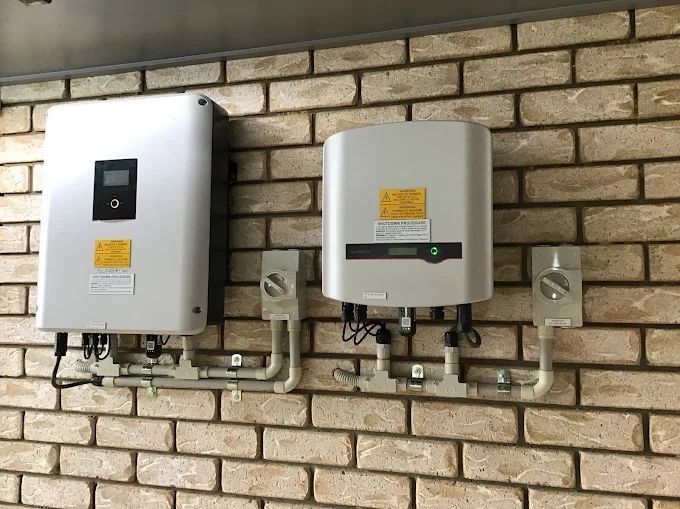
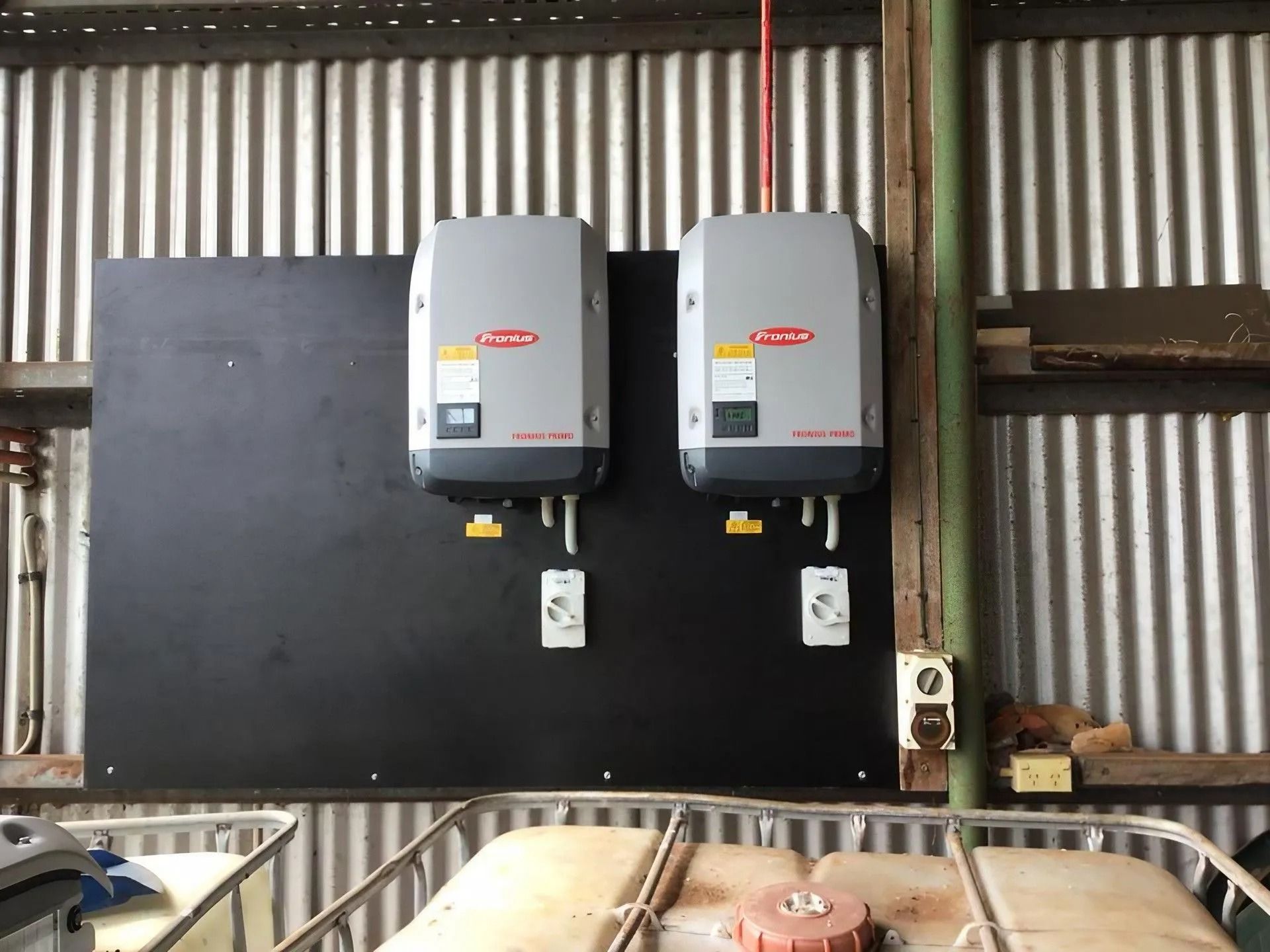
During a site visit, the technician typically checks your switchboard, existing solar inverter, available space, ventilation considerations and cable pathways. They’ll also discuss your typical consumption, whether you use most energy during the day or evening and any large loads that may influence sizing. This is where battery options start to narrow from “what’s available” to “what suits your site and goals”.
- Review of daily energy use and peak times
- Check of inverter compatibility and system age
- Switchboard assessment and safety requirements
- Battery location planning and access considerations
System Design and Compatibility With Your Existing Solar Setup
Once the basics are understood, the design stage turns your goals into a workable system plan. Compatibility is a major factor. Some homes have inverters that integrate easily with certain batteries. Others may need a different configuration or additional components. The design also considers the battery’s capacity and output, how it will charge, and how it will behave during outages if backup is part of the plan.
This stage can be quick if the existing solar system is modern and the switchboard is already in good condition. It can take longer if the system needs extra checks, if there are space constraints, or if the site has multiple meters or unusual wiring arrangements. It’s also the point where a clear timeline for solar battery installation in Townsville can be mapped, because the scope is defined and the paperwork pathway is clearer.
- Confirming battery and inverter compatibility
- Planning where isolation switches and protection devices sit
- Deciding on backup circuits if required
- Preparing a clear scope so the install day runs smoothly
Quotes, Scheduling and What Can Speed Things Up
Once the system is designed, you’ll typically receive a quote that outlines the equipment, installation works and any additional electrical upgrades needed. Scheduling then depends on parts availability, the complexity of the job and access to the site.
What speeds things up is having the right information ready and making decisions early. Approving the scope quickly, confirming battery location access, and clarifying whether any switchboard upgrades are needed can all reduce back-and-forth. On the other hand, changing requirements mid-stream, such as adding backup capability after the design is finalised, can slow the process because it may change components and approvals.
- Fast approval of the quote and scope helps lock in dates
- Clear access to meter and switchboard areas avoids rescheduling
- Early decisions on backup features reduce redesign time
- Simple sites usually schedule more easily than complex commercial setups
Approvals and Paperwork: What Happens Behind the Scenes
Approvals are often the least visible part of the timeline, but they can influence how quickly everything moves. Paperwork may include electrical compliance requirements, network-related steps and documentation needed for commissioning. The exact process can vary depending on the site and the system configuration.
For customers, the practical point is that approvals are normal. They’re part of installing equipment safely and correctly, and they help ensure the battery system is compliant and recorded properly. A well-run process should keep you informed about what’s happening and what, if anything, you need to provide.
- Compliance documentation supports safe installation and future servicing
- Some systems require additional network-related steps
- Timelines can vary depending on the site and the provider processes
- Clear communication reduces surprises close to install day
Installation Day: What Technicians Do and How Long It Usually Takes
Installation day is the part most people think about first. In many cases, the physical installation can be completed within a day, but the time on-site depends on the complexity of the setup. A straightforward battery addition to a compatible solar system is usually faster than an install that also includes switchboard modifications, multiple sub-boards, or backup circuit configuration.
Technicians typically mount the battery, run cabling, install isolation and protection devices, integrate the battery with the inverter or energy management system, then complete the required electrical testing. The site may have brief planned interruptions to power during switchover or switchboard work. For businesses, timing can often be planned to reduce disruption.
- Battery mounting and secure positioning
- Electrical integration, isolators and protection devices
- Cable runs, labelling and safety checks
- Planned outages may occur depending on switchboard works
Testing, Monitoring Setup and Final Commissioning
After installation, the system needs to be tested and commissioned. This is where the battery is confirmed to charge and discharge correctly, communicate with the inverter, and report data properly through monitoring software. Monitoring matters because it lets you see performance over time and helps identify issues early, such as unusual behaviour or settings that need adjustment.
Commissioning can include configuring operating modes, setting time-of-use preferences where relevant, and confirming export or charging settings align with the design. If backup functionality is included, the changeover behaviour may be checked so you understand what will and won’t be powered in an outage.
- Verification of charge and discharge performance
- Setup of apps or portals for monitoring and reporting
- Configuration of operating modes to match goals
- Final checks to confirm stable operation and compliance
Common Delays and How to Avoid Them
Most delays are avoidable once you know what causes them. The biggest ones tend to be site readiness, scope changes and access issues. For example, if the switchboard needs upgrades that weren’t identified early, the job may require additional work before commissioning. If the battery location is difficult to access, or if wall structure needs reinforcement, that can add time.
Product availability can also influence scheduling, especially when demand spikes. Clear decisions and early confirmation help reduce delays. For commercial sites, tenancy access and shutdown windows can also affect timing, so planning ahead usually pays off.
- Switchboard upgrades identified late can add steps
- Access issues can cause rescheduling or longer install days
- Scope changes can require redesign and new paperwork
- Early planning helps align stock, labour and site readiness
Ready to Add Battery Storage in Townsville?
We at Central Solar Services help customers understand the timeline, the site requirements and the steps involved from consult to commissioning, so if you’re planning solar battery installation in Townsville or want advice on solar batteries in Townsville, contact us to book an assessment and get a clear, site-specific plan.