Why Professional Installation Matters For Solar Panels In Townsville
Solar power has become an increasingly common upgrade for homeowners looking to reduce energy costs and gain more control over household power use. With the rise of DIY kits and low-priced offers, solar panel installation in Townsville can appear far simpler than it truly is. At a glance, it may seem like a matter of fitting panels, connecting an inverter and enjoying lower power bills. In reality, the quality of installation has a direct impact on safety, system performance, warranty protection and long-term reliability.
For many households, installing solar is one of the most significant electrical upgrades a home will ever undertake. Unlike appliances that can be unplugged or replaced easily, a solar system becomes part of the home’s structure and electrical network. It must integrate safely with existing wiring, withstand years of exposure to heat, wind and rain, and operate efficiently every day. The way a solar system is designed, installed and commissioned determines whether it delivers consistent value over decades or becomes a source of frustration and unexpected expense. For homeowners tempted by shortcuts, understanding the importance of professional installation is essential before making a long-term commitment.
Accredited Installers Create a Safer Solar Foundation
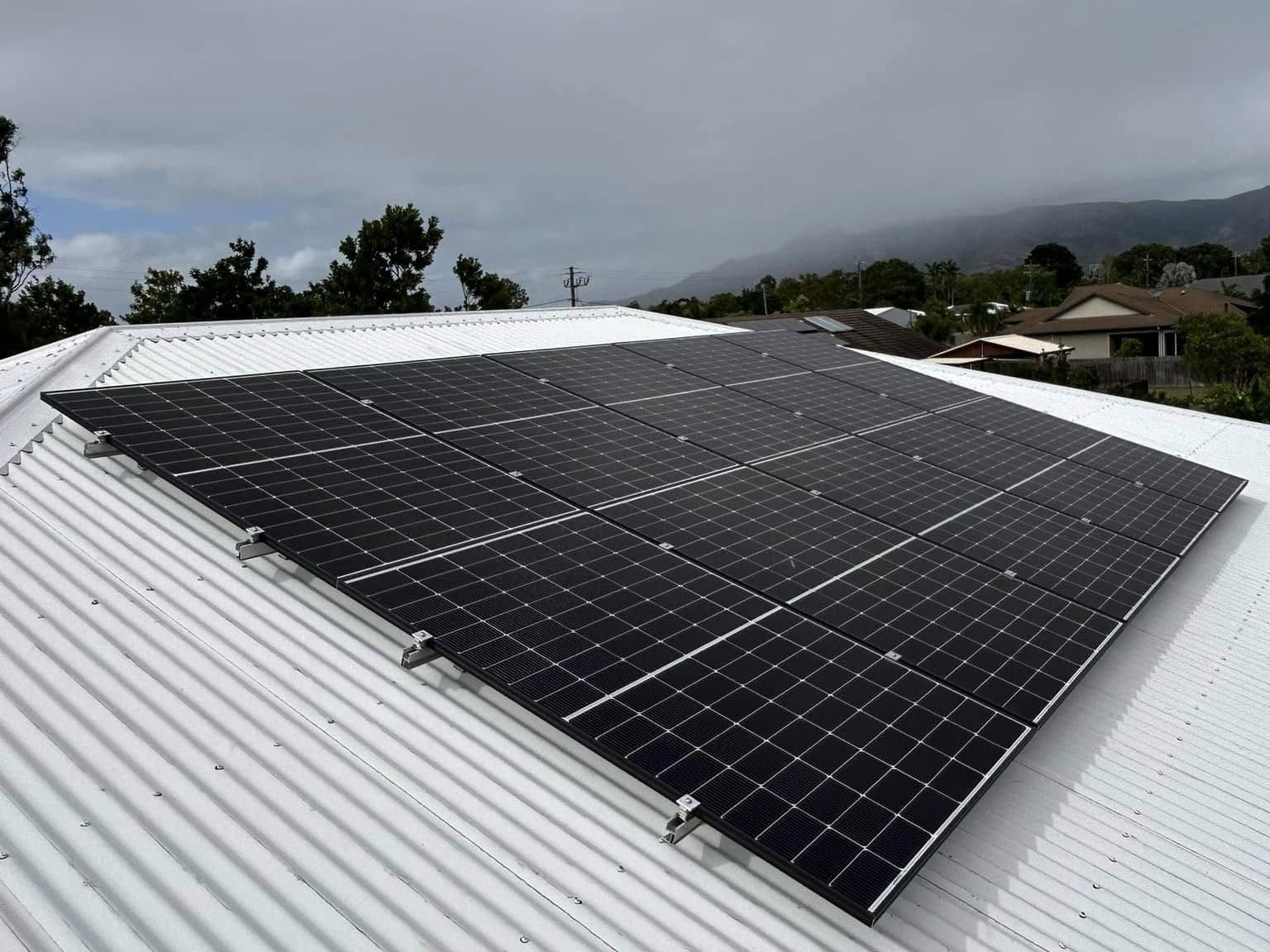
Accreditation is not simply a box to be ticked. It forms the foundation of a safe and compliant solar system. Professional installers are trained to meet Australian Standards that govern how solar systems must be mounted, wired and connected to the grid.
This focus on safety begins during the planning stage and continues throughout installation. Accredited installers follow consistent, regulated practices that are designed to minimise risk, protect the property and ensure long-term system stability. In practical terms, professional installation involves:
- Electrical isolation and earthing carried out to required standards.
- Roof mounting systems secured to withstand long-term environmental stress.
- Full compliance with regulations relied upon by insurers and energy providers.
Accredited installation also creates accountability. If issues arise, there is a clear framework for assessment and rectification, rather than uncertainty or risk being transferred to the homeowner.
Good Solar Performance Starts with Proper System Design
Solar installation is not simply about placing panels where space allows. It requires careful system design based on how the household uses energy and how the roof receives sunlight throughout the year.
Professional installers assess multiple technical and environmental factors before recommending a system layout. Effective system design focuses on achieving consistent output and balanced performance by considering:
- Panel placement that captures reliable daily sunlight.
- Inverter selection matched to system size and household usage patterns.
- Shading, roof pitch and available roof area across different seasons.
Without proper design, even high-quality equipment can underperform. A professionally designed system ensures that all components work together efficiently and align with both current and future energy needs.
Electrical Compliance Protects Property & Insurance
Electrical compliance is one of the most critical aspects of solar installation. Even small wiring errors can increase fire risk, cause system faults or compromise household safety.
Licensed installers are responsible for ensuring that all electrical work meets regulatory requirements and is properly documented. This compliance process includes:
- Issuing certification required for insurance purposes.
- Correct integration with the household switchboard and grid connection.
- Installation of safety devices to manage surges and electrical faults.
Professional installation helps protect not only the solar system, but the entire property and everyone living within it, particularly if faults occur years after installation.
Warranty Protection Relies on Correct Installation
Solar panels and inverters often come with lengthy manufacturer warranties. However, these warranties are only valid when installation guidelines are followed precisely.
Professional installers understand the conditions attached to product warranties and ensure that installation and commissioning meet those requirements. This typically involves:
- Using approved mounting systems installed to specification.
- Completing electrical connections with compliant components.
- Recording commissioning details for future reference.
Incorrect installation can void warranties, leaving homeowners responsible for costly repairs or replacements. Professional installation protects this long term coverage and financial investment.
Low-Cost Installations Can Lead To Higher Long-Term Costs
Cheap solar deals often focus on upfront price rather than quality of workmanship. Shortcuts taken during installation may not be obvious immediately, but they often lead to reduced performance or early system failures.
Professional installation prioritises durability and reliability by addressing details that affect long-term operation, including:
- Secure fixings that maintain roof integrity over time.
- Proper cable management to prevent exposure and deterioration.
- Adequate airflow to reduce heat-related stress on components.
Over time, ongoing repairs and lost efficiency can outweigh any initial savings. Long-term value depends heavily on how well the system is installed.
Commissioning Ensures the System Works As Intended
Commissioning is the process that confirms a solar system is operating safely and efficiently before it is handed over. Professional installers test and configure the system to verify that it performs as designed.
A thorough commissioning process typically includes:
- Testing voltage and current levels across the system.
- Setting up monitoring systems for performance visibility.
- Verifying that safety mechanisms are functioning correctly.
Skipping or rushing commissioning can leave faults undetected, affecting output from the beginning and limiting the system’s potential.
Professional Support Matters Beyond Installation Day
While solar systems are low-maintenance, professional support remains important throughout their lifespan. Installers who understand the original system can provide informed advice as needs change or issues arise.
Ongoing professional support commonly involves:
- Guidance on inspections and general upkeep.
- Assistance with inverter servicing or replacement.
- Planning for system expansion or battery integration.
Professional installation establishes a relationship that supports the system well beyond the initial installation.
Choosing a Reliable Path For Solar Installation
Professional installation is about more than meeting minimum requirements. It is about confidence in how a system will perform year after year. We at Central Solar Services provide solar installation in Townsville that focuses on accredited workmanship, correct system design and long-term reliability suited to local conditions. For homeowners considering solar panel installation in Townsville, choosing professional installation helps protect your home, your investment and your peace of mind well into the future.
Contact the team at Central Solar Services via phone or reach out online for more information.